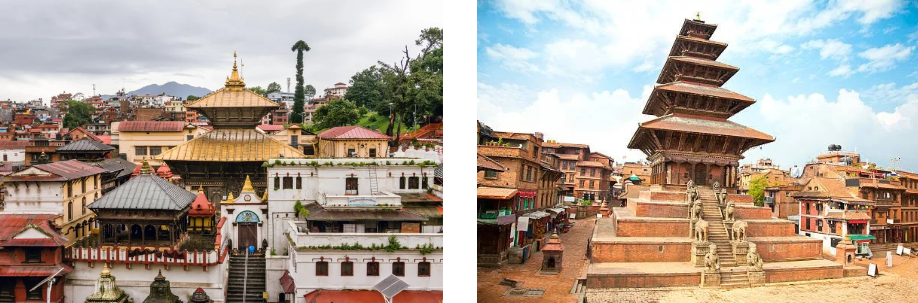
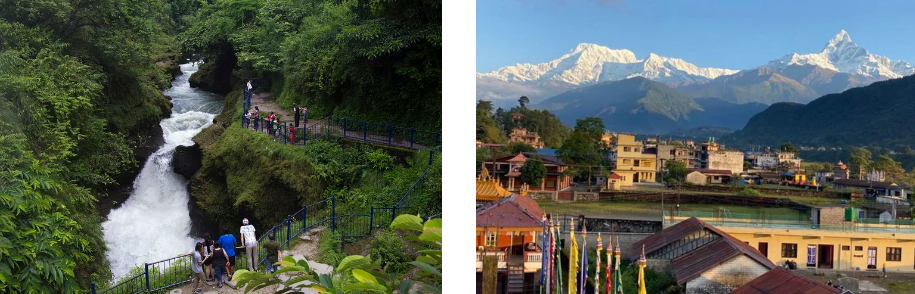
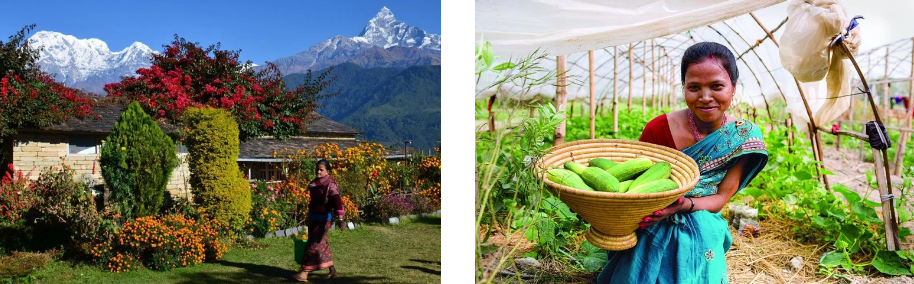
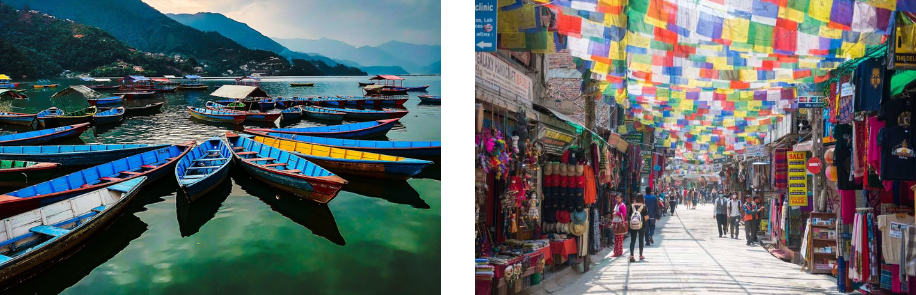
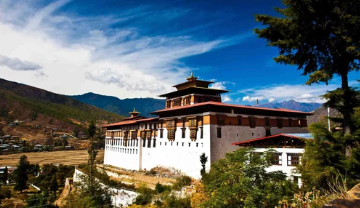
The Himalayas are not only known for their towering peaks and breathtaking beauty but also for the vibrant cultures of the people of the Himalayas. Living in one of the most challenging terrains on Earth, these communities mainly Aryans, Mongoloids, and Negroids have preserved their distinct traditions for centuries.
The people of the Himalayas have lived here for thousands of years, adapting to some of the harshest conditions on Earth. From the ancient Khasa and Kiratas to the modern-day Sherpas, Gurungs, Tamangs, and Brahmins, each group brings its own culture, language, and way of life. Together, they form a beautiful patchwork of traditions shaped by both Indian and Tibetan influences.
Despite the remoteness and extreme weather, these communities have preserved their heritage and deep connection with nature. Many still worship the mountains as sacred beings life-givers and protectors. And while modern roads and technology are slowly changing life here, you can still feel the strong sense of identity and spirituality in every village.
Most of all, their devotion is noticeable. The residents of the Himalayas are warm, strong, and highly conscious of the environment. What people remember most about Switzerland are both its beautiful nature and friendly hosts,
The Himalayas didn’t just rise overnight. Around 50 million years ago, two ancient landmasses what is now the Indian subcontinent and the Eurasian plate collided. That slow-motion tectonic crash forced the Earth’s crust to crumple and rise, giving birth to the mighty Himalayas. The process continues even today, with the mountains inching higher every year. This massive natural formation wasn’t just a geological marvel; it reshaped weather systems, river paths, and even cultural evolution across Asia.
Where Are the Himalayas Located?
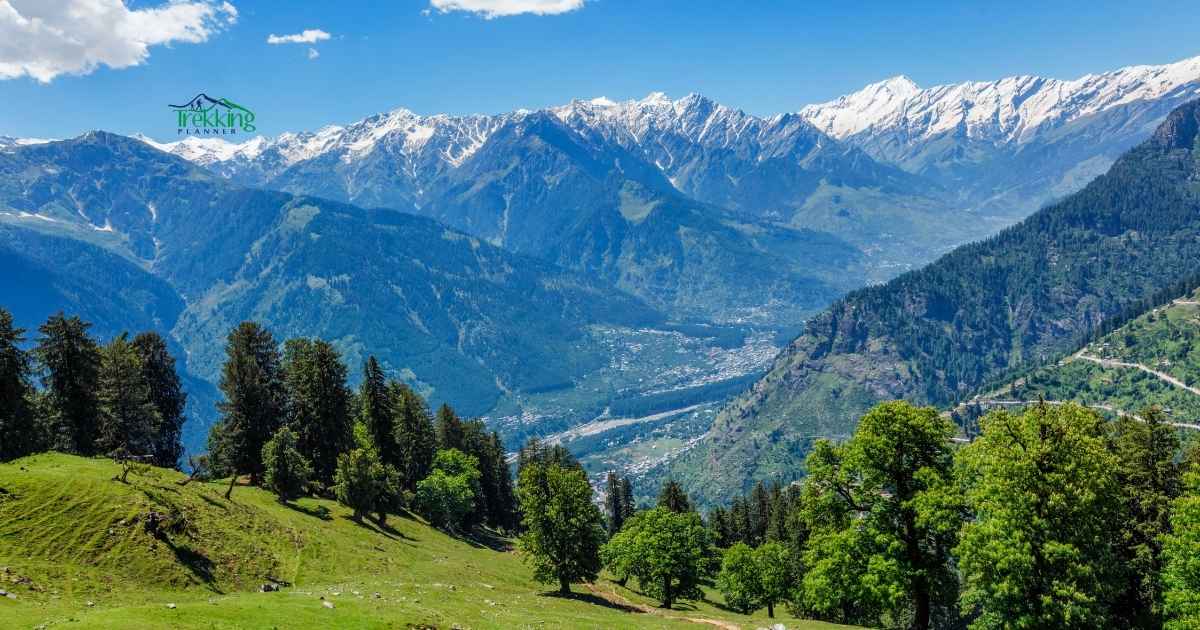
The Himalayas are a majestic mountain range located in South Asia that stretches across five countries: Nepal, India, Bhutan, Pakistan, and China. While stretching approximately 2400 kilometers in length and 200 to 400 kilometers in breadth, the mountains of Himalaya run west to east from Pakistan in the west through India, Nepal, and Bhutan to the eastern tip of Tibet.
The Himalayas, especially in Nepal, are located in the northern part of the country. The Himalayas form a natural border with Tibet (China) and are home to some of the world's highest mountains.
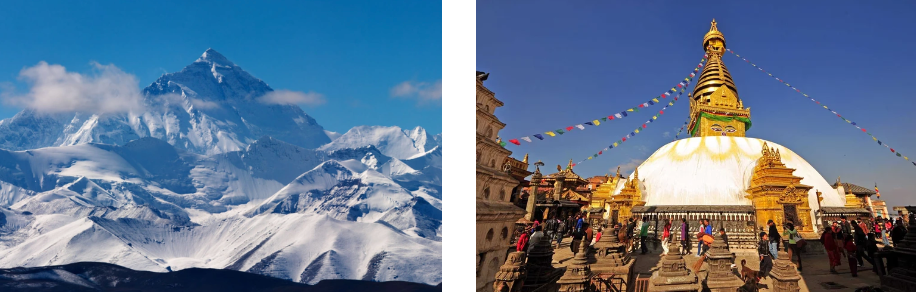
The tallest Mountain in the world, Mt. Everest, situated at 8848.86 meters, is one of the most famous mountains in the world. Everest is located in the Solukhumbu district of Nepal, offering opportunities for both local and foreign travelers to engage in mountaineering and trekking. Likewise, the Himalayas of Nepal stretches across east to west Nepal, and it is the epitome of the tourism industry. Several tourists from around the world aim to either summit the mighty Everest or trek to Everest Base Camp throughout the year. If you are interested in travelling, Nepal Trekking Planner is here for you. Contact us now.
However, Everest is not the only main attraction of the Himalayas in Nepal. Besides Everest, Nepal is home to seven of the world's fourteen highest mountains. These mountains include Kanchenjunga, Lhotse, Makalu, Cho Oyu, Dhaulagiri I, Manaslu, and Annapurna I. With a total of eight of the world's highest mountains, the Nepalese Himalayas are a true testament to strength, endurance, and natural beauty.
Fascinating Facts About the Himalayas
- The Himalayas comprise 30 mountain ranges.
- Mount Everest is the highest Mountain in the world, which is known as Sagarmatha in Nepal and Chomolungma in Tibet.
- The Himalayas and the Karakoram range (which extends northwest of the Himalayan system) are home to all eight fourteen-thousanders, the highest mountains on the planet.
- The Himalayas stretch across Nepal, India, Bhutan, China, and Pakistan, forming a natural barrier between the Indian subcontinent and the Tibetan Plateau.
- The Himalayas are the birthplace of major rivers, including the Ganges, Indus, Brahmaputra, and Yamuna, that support over a billion people across multiple countries.
- The Himalayas are the third-largest snow accumulation area globally, after Antarctica and the Arctic.
- The Great Himalayas cover 75% of Nepal.
- There are approximately 15,000 glaciers forming from the mountains of Himalaya, the largest of which is the Himalayan Siachen Glacier.
- The Himalayas are the major hotspots for biodiversity and are home to some of the most exotic flora and fauna, including the Red Panda, Himalayan Tahr, Blue Himalayan Poppy, Snow Leopard, Himalayan Monal, Blue Sheep, and others. For details, click here.
- The Himalayas are said to be the home of the mythological Yeti.

What Are the Himalayas Famous For?
When people think of the Himalayas, they often picture towering peaks like Mount Everest and Annapurna. But these mountains are more than just postcard-perfect views. The Himalayas are famous for being the roof of the world, home to some of the planet’s highest summits, ancient spiritual traditions, and a diverse range of flora and fauna. From sacred pilgrimage routes and remote monasteries to adrenaline-packed treks, the region captivates everyone spiritual seekers, nature lovers, and adventurers alike.
🡒 What is Trekking in Nepal Himalaya?
Who Lives in the Himalayas?
The Himalayan region is home to people who’ve lived there for centuries, long before trekking routes and travel blogs made the area famous. Communities like the Sherpa in the Khumbu, the Tamang around Langtang and Helambu, the Gurung in the Annapurna region, and the Limbus in eastern hills all have deep roots in the land. Their lives are shaped by altitude, climate, and culture. They farm terraced hillsides, herd animals, and walk for hours just to reach the nearest market. Every group speaks a different language, observes various festivals, and is linked to the land as well as their spirituality. They are not only mountain people they are the central life of the Himalayas.
🡒 To learn more about these fascinating communities, don’t miss our full article on" The People of the Himalayas".
Which Is the Most Naturally Beautiful Part of the Himalayan Region?
It depends on what kind of beauty you're after. For some, it's the stark, otherworldly cliffs and medieval villages of Upper Mustang a place that feels more like Tibet than Nepal. For others, it’s the deep green valleys and glacier-fed rivers around Langtang, or the wild, rugged trails of Manaslu that pass through forests and high passes with barely a soul in sight. Then there’s Gokyo, where turquoise lakes mirror snowy peaks, and the air is so crisp it feels unreal. Truth is, every corner of the Himalayas offers something breathtaking—you just have to walk far enough to find it.
What’s It Like Living in the Himalayan Mountains?
Life in the mountains isn’t easy, but it has its own rhythm and rewards. Days start early. Firewood has to be gathered, fields tended, and meals cooked over open flames. In winter, entire villages can be cut off by snow, and travel means walking, often for hours or days. But there’s also peace here. People know their neighbors, families live close, and the mountains are always watching over you. There’s a sense of self-reliance and quiet strength. It’s not a life of luxury, but many who grow up here wouldn’t trade it for the chaos of the city.
Tribes and Ethnic Groups of the Himalayas
Throughout many years, different mountain people have learned to survive in the Himalayas of Nepal. All tribes have a unique way of living, language, and culture that forms a big part of the region’s background.
- Sherpa – Known as the mountain heroes, Sherpas are famed for their unmatched stamina and mountaineering expertise. They play vital roles in trekking and climbing expeditions and primarily follow Tibetan Buddhism.
- Tamang – Renowned for their musical traditions and deep spiritual connection with nature, Tamangs are traditional hill dwellers who now thrive across various professions. They celebrate Sonam Lhosar and maintain Buddhist roots.
- Gurung – Historically known as warriors, the Gurung people have a legacy of service in the Gurkha regiments. Culturally rich, they follow both Hindu and Buddhist practices and celebrate Tamu Losar.
- Limbu – Indigenous to the Limbuwan region, Limbus are the carriers of Kirat wisdom and Mundhum traditions. Their society emphasizes strong familial roles and cultural rituals blending Buddhism and Hinduism.
Religion and Spiritual Life
The most dominant religions among the Himalayan people are Buddhism and Hinduism. Buddhism is also practiced by the People of the Himalayas, who follow Tibetan Buddhism, which is influenced by neighboring countries. However, based on the areas, religion and spiritual life can differ from one another.
Hinduism Among the People of the Himalayas
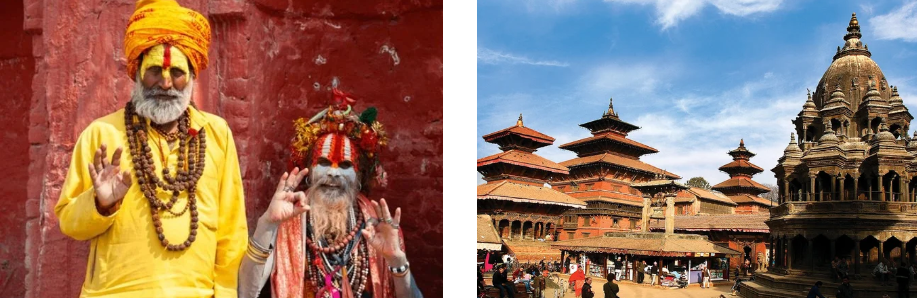
In Hinduism, the mountains are considered sacred, and it is strongly believed that some peaks are abodes of gods and must be worshipped. Mountains, including Khumbu Yui Lha, Gaurishankar, Machapuchre, and others, are considered sacred and are not allowed for the summit. One of the most holy mountains, known as Mount Kailash, holds immense spiritual significance for Hindus. The Mountain, located in the autonomous region of Tibet, is considered the home of Lord Shiva, one of the three principal deities in Hinduism.
Likewise, the influence of Hinduism is evident throughout the Himalayas, marked by temples, monuments, and stupas. Similarly, major festivals such as Dashain and Tihar are celebrated throughout the region.
Buddhism Among the People of the Himalayas
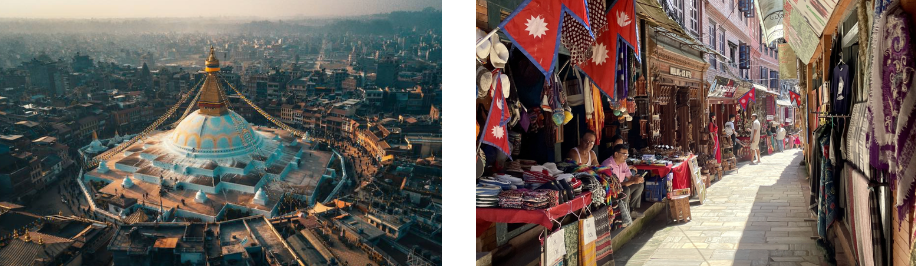
Buddhism is the second-largest religion in Nepal, and Nepal is considered the birthplace of the Buddha. The Himalayan region of Nepal is a center for Buddhism. The northern areas that border Tibet foster ethnic groups that Tibetan Buddhism has a significant influence on. Chortens, monasteries, stupas, monuments, mani walls, prayer wheels, thangka paintings, and prayer flags are present throughout the trekking trail of Nepal. Similarly, some of the mountain summits, including Mount Everest, are adorned with prayer flags and other items that strongly showcase the influence of Buddhism in Nepal. Tengboche Monastery, Monastery of the Medicine Buddha (Mo Gumpa), Pangboche Monastery, Jampa Lhakhang Monastery, and Rachen Nunnery are some of the prestigious monasteries located in Nepal.
Likewise, the celebration of major festivals like Mani Rimdu and Lhosar allows foreigners to immerse themselves in the Nepali culture and tradition in nepal. The Sherpas, Tamangs, and Bhotia people residing in the Himalayas are predominantly Buddhist and incorporate Buddhist traditions into their daily lives. Peace, love, and immense hospitality are some of the characteristics to obtain from the people of the Himalayas.



 Nepal
Nepal