Rajasthan in Bloom: A Journey Through Royal India - March 12–22
There are places in the world that feel cinematic. Rajasthan is one of them.
In March, when the desert light turns ancient stone into gold, we’ll set out on a journey through India’s most romantic and storied region, a land of maharajas, marble temples, and lakeside palaces.
This is not hurried travel. It is thoughtful, and perfectly paced.
We’ll fly into Delhi and quickly move west into the Thar Desert, where the walled city of Jaisalmer rises like a mirage from the sands. Founded in the 12th century, this remote outpost is now a UNESCO World Heritage Site which once thrived on caravan trade from Central Asia.
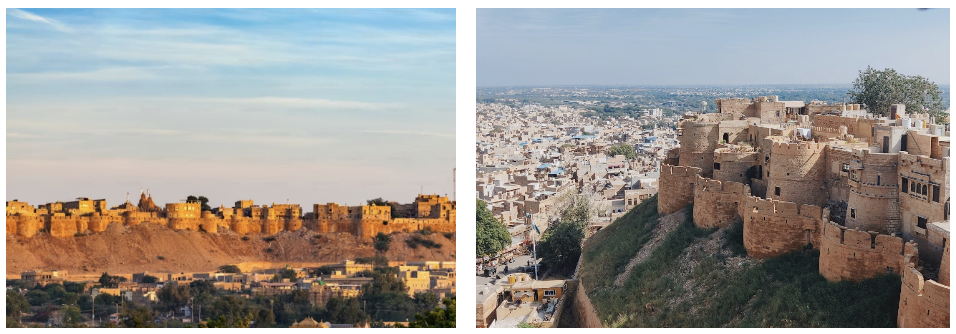
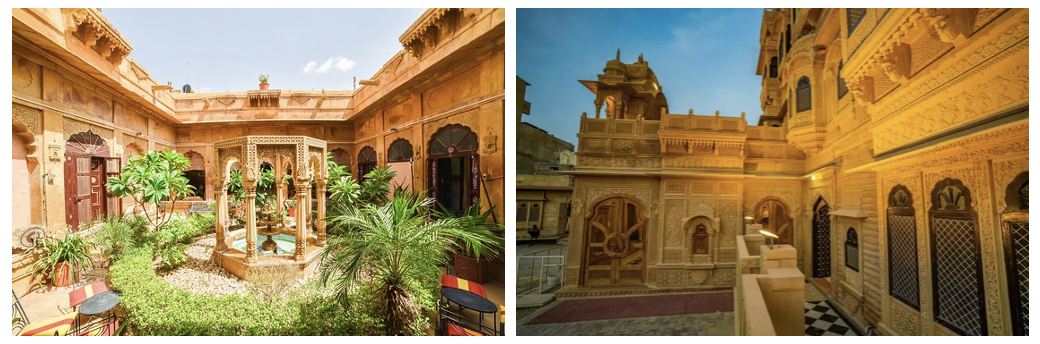
Today, its honey-colored fort still glows at sunset, and inside its walls, life continues much as it has for centuries. We’ll wander the narrow lanes, visit the many shops and admire intricately carved sandstone havelis (their traditional mansions).
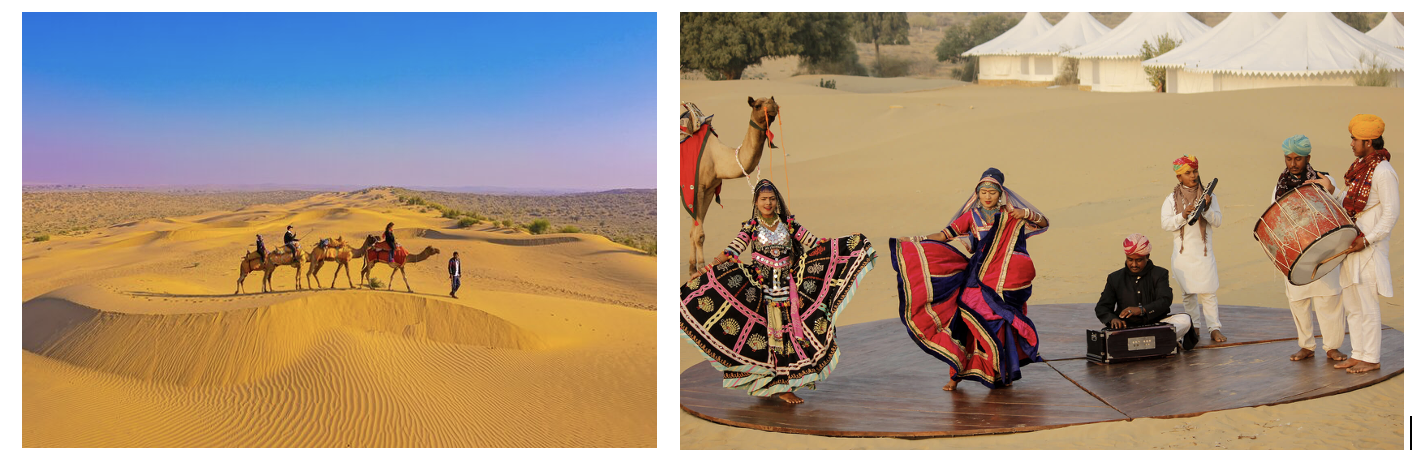
From there, we’ll experience the desert by spending a night in an elegant tented camp beneath the vast Rajasthani skies, accompanied by traditional folk music and dance. There is something unforgettable about dining under the stars in the desert.
After a stop in the Blue City of Jodphur, we’ll head to Narlai where we’ll stay in a former hunting lodge of the Maharaja of Jodhpur, now a serene heritage retreat. Here, we’ll see village life unfold in the temples, farmland, and open-jeep safaris through the countryside. One evening, we’ll dine beside an ancient stepwell illuminated by candlelight, an experience that will feel like another era.
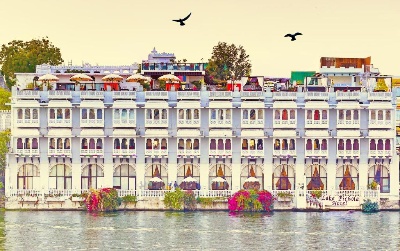
We’ll continue to Udaipur, perhaps India’s most romantic city, where white palaces shimmer in and on the shores of Lake Pichola. We’ll explore the grand City Palace, stroll vibrant markets, and glide across the lake at sunset to Jag Mandir Island, its marble chambers glowing in soft evening light.
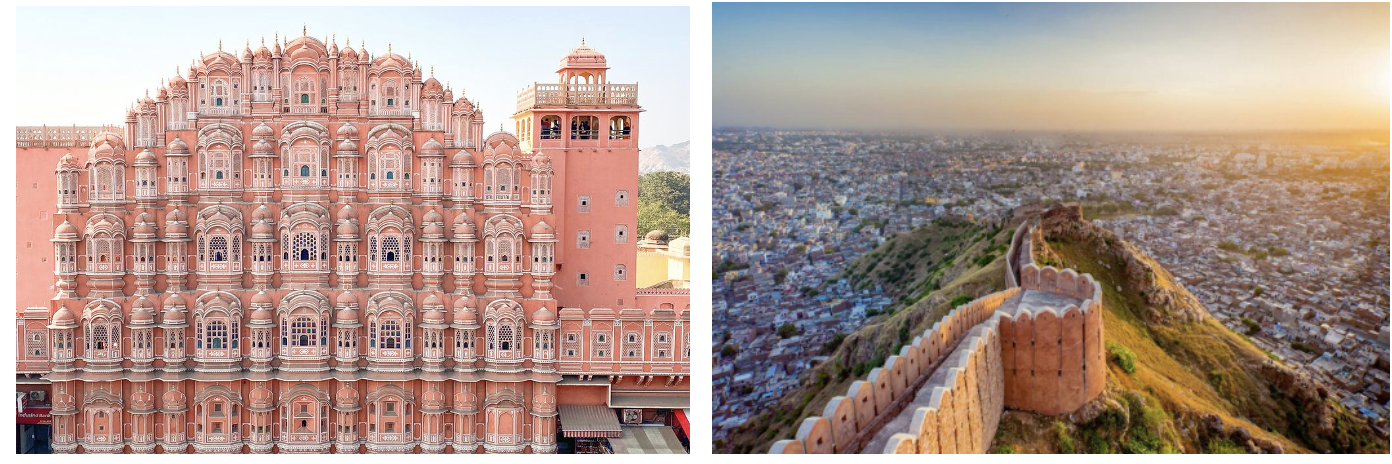
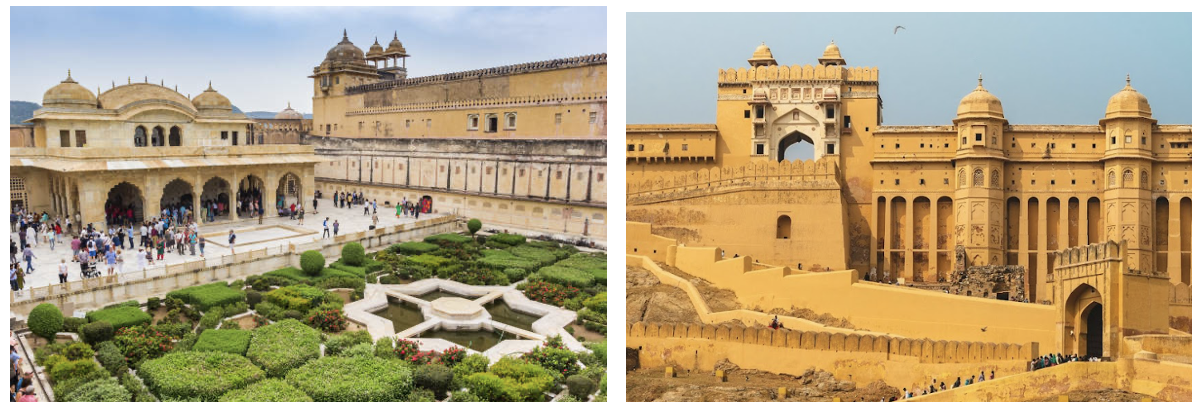
In Jaipur, the famed “Pink City,” royal heritage continues. We’ll visit the magnificent Amber Fort, and its mirrored sparkling Sheesh Mahal. We’ll explore astronomical wonders, private royal museums, artisan workshops, and take part in a private cooking experience inside a traditional haveli.
And then Holi. We’ll celebrate India’s Festival of Colors as honored guests, laughing, sharing sweets, and stepping into one of the country’s most joyful traditions. It is vibrant, exuberant, and entirely unforgettable.
Our final evening brings us time in the wilderness with rescued elephants, walking beside them as they roam freely in protected land, a beautiful and ethical conservation experience that reflects the heart of this journey.
This is Rajasthan at its most elegant and alive: desert fortresses, marble temples, intimate heritage hotels, extraordinary cuisine, and shared cultural moments that will stay with you long after you return home.
For travelers who value depth, beauty, comfort, and connection, this is not simply a trip.
Kiki Keating treats travel as a form of art. Each journey is composed with precision, intuition, and a taste for the unexpected. She has a passion for taking small groups on life-changing adventures and works tirelessly to ensure that every detail of each trip is meticulously planned and executed.
Kiki curates intimate, life-shifting journeys with a sharp eye for detail and a refusal to follow the expected. Each itinerary is a collaboration with world-class guides and insiders, blending culture, music, art, and exceptional food with access that feels both rare and effortless.
Her journey as a travel creator began in 2000 when she led international trips for the dean and faculty in her role as Communications Director at the Tuck School of Business at Dartmouth. Over the last decade, KikiNetwork Travel has been dedicated to transformative travel. While her trips touch iconic landmarks, the real focus lies deeper: meaningful encounters, cultural fluency, and connections that linger long after the journey ends.
Kiki Keating Is The Architect of Wanderlust and Worldly Adventures
The visionary behind wanderlust and global connections is my guest on Speaking of Travel!
THE LONELY PLANET GUIDE TO VISITING RAJASTHAN’S AMBER FORT
Amber Fort is one of Rajasthan's most dramatic royal strongholds.
Thousands of years of power struggles between dynasties, empires and faiths have left formidable fortresses scattered all over India, from the palatial Mughal strongholds of the central plains to Portuguese, French and British bastions dotted along the coast. But even in this fortress-filled country, Amber Fort near Jaipur is something special.
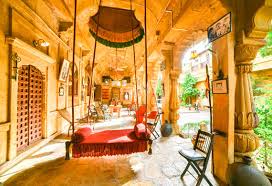
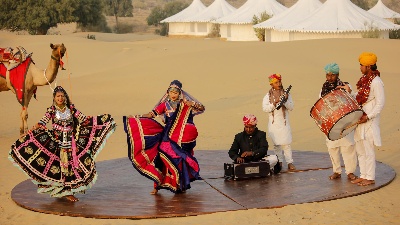
Rising over a rocky valley to the north of Jaipur, this classic Rajasthani fort – also known as Amer Fort – is almost a fortified city, enclosed by invader-repelling yellow and pink sandstone walls. Its battlements gaze over Mughal-style gardens, ancient stone temples and a crocodile-stalked lake, creating an achingly evocative tableaux.
Inside the walls, extraordinary audience halls and royal apartments reveal the complex ceremonial and private life of Sawai Jai Singh II, the 18th-century Maharaja of Jaipur. Exploring its warren of chambers and passageways – and the temple-filled lanes beyond the fortress walls – is one of Rajasthan’s great pleasures.
What’s the history of Amber Fort?
Amber Fort was the official seat of the Rajput Kachwaha Dynasty from the 11th century until Maharaja Sawai Jai Singh II shifted his residence to the newly founded city of Jaipur in 1727. The move was a sign of growing confidence and power for this ambitious clan, which expanded its influence through alliances with the Mughal Empire and, later, the British.
Fear of rival powers was one reason the Kachwahas chose fortified Amber (and the associated last-defence fort of Jaigarh) as an official residence. A maze of watchtowers and fortified walls spills across the surrounding hillsides, and a secret passageway links Amber Fort and the Jaigarh fortress further up the hillside – constructed to be used by the royal family in the event of attack.
When should I go to Amber Fort?
Rajasthan – like most of India – is affected by the summer monsoon, which brings heavy rain and high humidity from June to September. The best time to visit Amber Fort is just after the monsoon, from October to November, when the landscape is green and the skies are clear.
The weather stays mostly dry through the winter and spring, but mornings and evenings can be chilly in the desert from December to February, and daytime temperatures become uncomfortably hot from April to May.
How do I get to Amber Fort?
Reaching Amber Fort is easy. Jaipur is well connected to other cities in India by trains, buses and flights, and local buses, taxis and autorickshaws can get you to the fort gates from the center in 20 to 30 minutes. The fort is a common stop on the popular Golden Triangle itinerary, visiting Delhi, Agra and Jaipur.
Amber Fort looms dramatically above a rocky valley north of Jaipur. Kanokratnok/Shutterstock
How much time should I spend at Amber Fort?
You’ll need at least half a day to explore, or a full day if you plan to investigate the temple-dotted village around the fort and the hilltop fortress of Jaigarh. Getting here from Jaipur is easy by rickshaw, taxi or local bus, so even a quick visit is doable, though there’s so much to see that you’ll want to spend several hours exploring.
What should I eat and drink at Amber Fort?
Food stops inside the fort are limited – bring drinks and snacks or reserve a table at the fort’s swanky, royal-themed 1135AD restaurant. Alternatively, there are inexpensive places to eat in the village surrounding the fort. Make sure you carry plenty of water – clambering up the fort’s many stairways is thirsty work!
Screen windows offer secret views from the royal apartments at Amber Fort. Joe Bindloss for Lonely Planet
What are Amber Fort’s must-sees?
Every inch of the fort is intricately ornamented and steeped in history, and poking into every corner is an essential part of the experience, but there are several spots to prioritize if you’re short on time.
Jaleb Chowk
Victorious Rajput armies once displayed their captured booty to admiring crowds in Jaleb Chowk, the fort’s public courtyard, enclosed by robust walls with Suraj Pol on one side and Chand Pol on the other. Before you enter the sections of the fort reserved for royals and courtiers, glance up to the screened balconies where the women of the royal court viewed proceedings in the square.
Look out for the side steps leading up to the revered Siladevi Temple; it’s closed to non-Hindus but you can admire the stunning repousse-work silver doors.
Diwan-i-Am
From Jaleb Chowk, a stairway climbs through the lavishly frescoed Singh Pol (Lion Gate) to the fort’s second courtyard, where courtiers, military officials and invited dignitaries were granted audiences with the maharaja. The Diwan-i-Am (Hall of Public Audience) is an airy, open structure, supported by rows of columns crowned by elephant-shaped capitals. Latticed galleries above allowed members of the royal household to view ceremonies in the courtyard without being seen.
The Ganesh Pol is one of Rajasthan's finest gateways. kk1hb/Shutterstock
Ganesh Pol
Marking the transition to the royals’ private quarters, Ganesh Pol is a riot of frescoes and carvings. Fusing elements of Hindu and Islamic architecture, this grand gateway is covered in painted flowers and foliage, surrounding an image of Ganesh, the elephant-headed Hindu god of wisdom, seated on a hexagonal throne. An alternative route to the upper levels winds through the maze-like royal hammam (Turkish-style baths) in the corner of the courtyard.
Jai Mandir
The maharaja’s personal apartments surround the third courtyard, centred on the Aram Bagh, a Persian-style pleasure garden. On the west side is the Jai Mandir (Hall of Victory), a space for private audiences, adorned with inlaid panels, bas-reliefs of insects and flowers, and extraordinarily intricate mirrored mosaics.
Sukh Niwas
On the east side of the third courtyard is the Sukh Niwas (Hall of Pleasure), with a time-worn ivory-inlaid sandalwood door and a surprisingly modern-looking design scheme of floral carvings and vase-shaped niches. A channel once carried cooling water through this space to the gardens.
There are great views over Amber Fort from the walls of the Jaigarh. Anton Aleksenko/Getty Images
Jaigarh
The ridge above Amber Fort is dominated by the imposing Jaigarh fortress, where the royals retreated when Amber was in danger. Tall watchtowers guard the walls and worn-looking palace courtyards lead to a garden fronted by three huge archways overlooking the valley.
Also here is the imposing Jai Vana – the world’s largest wheeled cannon. Cast at the fort’s foundry, this 50-tonne monster required 100kg of gunpowder to fire, with a range of 30km. You can still view the enormous drill used to bore out the barrels of solid iron cannons inside the foundry.
To reach Jaigarh, hike uphill from Amber Fort, or get dropped at the gates by taxi or autorickshaw. Alternatively, see if you can access the hidden passageway linking Amber Fort and Jaigarh - it’s hidden behind a (sometimes closed) doorway close to where visitors exit Amber Fort. The tunnel is poorly lit, so keep your phone handy to use as a light.
My favorite thing to do at Amber Fort: Explore Amber village
Be sure to explore the village that sprawls around the base of Amber Fort. The tourist hubbub drops to a whisper and you can wander quiet lanes lined with lavishly carved temples and grand havelis (mansions) – some inhabited and some in ruins.
To reach the village, head to the market just beyond the fortress ticket complex, where winding alleys lead west past the royal elephant stables, the early-17th-century Sri Jagat Shiromani Ji Temple and the Panna Meena step-well with its geometric stairways.
Nearby is the Anokhi Museum of Hand Printing, an intriguing space in a restored haveli where you can learn about the history of Rajasthani block-printing, see printers at work and even print your own scarf, bag or T-shirt.
JAISALMER: THE GOLDEN HEART OF RAJASTHAN’S TOURISM
Jaisalmer rises out of the Thar Desert like a vision carved in gold. The soft yellow sandstone used to build its houses, havelis, and fort glows amber in the shifting desert light, giving the city its enduring title the “Golden City of India.” For centuries, this oasis at the edge of the desert has been a cultural crossroads, where caravans once halted on trade routes and where art, architecture, and tradition flourished. Today, Jaisalmer continues to enchant travellers with its living heritage and desert landscapes that feel timeless.
At the heart of Jaisalmer stands the Jaisalmer Fort, a UNESCO World Heritage Site. Unlike many forts that exist only as museums, this one still hums with daily life. Within its ancient ramparts are winding lanes, centuries-old Jain temples, bustling shops, and homes that have been lived in for generations. Walking here feels less like stepping into the past and more like experiencing history that is still unfolding. From the ramparts, the desert stretches endlessly, reminding visitors how closely this city is tied to its surroundings.
Beyond the fort, the streets of Jaisalmer open to a world of intricately carved havelis. Patwon-ki-Haveli, with its fine latticework, and Nathmal-ki-Haveli, known for its unusual symmetry, are landmarks of the city’s famed stone craftsmanship. These buildings are not only architectural wonders but also symbols of the prosperity brought by trade in the medieval period. Nearby, the tranquil Gadisar Lake, once the city’s water source, offers a place to pause and watch the play of light on its ghats and temples.
No trip to Jaisalmer is complete without venturing into the desert itself. Just outside the city, the Sam Sand Dunes invite travellers to experience the vast silence of the Thar. As evening falls, camels tread across the dunes and folk performers bring the desert alive with song and dance under the starlit sky. The desert also reveals fragile ecosystems glimpsed in the Desert National Park, where rare species like the Great Indian Bustard still survive.
Jaisalmer is not only about monuments and landscapes; it is also about how heritage is carried forward. Many of the city’s historic mansions and palaces have been adapted into hotels, offering visitors a chance to live within history.
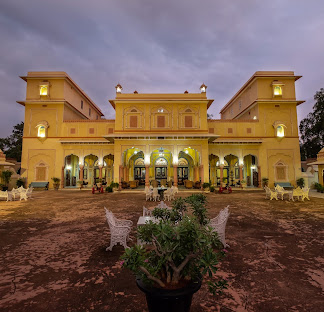
About an hour’s drive from the city, WelcomHeritage Mohangarh Fort is one such example. Built in 1944, is an extraordinary addition to this legacy as it is believed to be the youngest fort in India. Its Indo-Saracenic architecture is a breathtaking blend of yellow sandstone, white marble, and delicate carvings. Once a retreat for the royal family, the fort now offers guests a chance to experience the charm of a bygone era, complete with contemporary comforts.
And nestled within the walled city itself is the two-century-old WelcomHeritage Mandir Palace which stands as a testament to Jaisalmer’s high craftsmanship. Renowned for its intricate stone carvings, ornate balconies, and canopies, the palace features a unique tower called ‘Badal Vilas’ the tallest structure below the city fort. Part of this architectural marvel has been transformed into a hotel, offering a taste of medieval elegance along with an on-site museum.
Further afield, WelcomHeritage Kalyan Bhawan, a former royal residence that has been carefully overhauled to blend its historic character with modern amenities. This centrally located haveli is a haven for architecture enthusiasts, with its preserved original features and a rooftop dining area that provides a panoramic view of the magnificent Jaisalmer Fort.
As Mr. Abhishek Bhattacharya, Head Sales at WelcomHeritage, explains: “In Jaisalmer, heritage is not something static. It is lived every day in the forts and havelis, in the food, in the music, and even in the places where travellers stay.”
Jaisalmer has also emerged as a gathering place in new ways. Its dramatic desert setting and historic venues have made it popular for weddings, cultural festivals, and small conferences. This continuity of people coming together feels natural for a city that was once a stop on ancient trade routes. Reflecting on this, Mr. Bhattacharya notes: “For centuries, Jaisalmer welcomed travellers and traders. Today, it welcomes people for celebrations and discovery. The essence is the same connection.”
Even as tourism grows, the rhythms of Jaisalmer’s culture remain strong. The haunting melodies of manganiyar singers, the swirling dance of Kalbelia performers, the craft of jewellers and textile artisans all continue to thrive, passed down from generation to generation. For visitors, these encounters are often as memorable as the grand monuments.
What makes Jaisalmer remarkable is how it blends permanence with change. The fort and havelis stand as reminders of history, yet the city is alive with colour and sound. The desert seems eternal, but every sunset and every dune feels new. And while travellers bring with them modern expectations, the warmth of Jaisalmer’s people and the continuity of its traditions ensure the city’s essence remains untouched.
Looking to the future, Mr. Bhattacharya offers a perspective that captures this balance: “The Golden City will endure, not just in its sandstone walls but in the way it continues to inspire. Our responsibility is to ensure that while we share its heritage with the world, we also protect the spirit that makes Jaisalmer unique.”
Jaisalmer’s story is still being written in its forts and palaces, its music and festivals, its markets and dunes. To visit is to walk within that story, to see how history and living culture coexist in golden light. Few places hold this harmony so gracefully, and that is what makes Jaisalmer the true heart of Rajasthan’s tourism.
Arrive in Delhi late this evening. After crossing immigration, customs and collecting your baggage, you will be met by our representative in the arrival hall, who will transfer you to your hotel. Tomorrow to color, flavors and stories of India begin to unfold.
Today you journey west to the legendary desert city of Jaisalmer, where you will spend the next three unforgettable nights.
Rising like a mirage from the vast Thar Desert, Jaisalmer is one of India’s most remote and spectacular destinations a living sandstone masterpiece glowing honey-gold in the desert sun.
Founded in the 12th century, this once-thriving trading hub stood proudly along the ancient caravan routes. In its heyday, camel caravans laden with silks, spices, and precious stones passed through its gates, bringing immense wealth and cultural exchange. Prosperity flourished, and merchant families competed not in conquest, but in beauty, commissioning exquisite havelis and palaces carved from golden sandstone with astonishing detail.
As you arrive, you’ll immediately understand why Jaisalmer is known as “The Golden City.” Its fortified walls rise dramatically from the desert, and its narrow winding lanes whisper stories of traders, royalty, and desert life that have endured for centuries.
Settle into your elegant accommodations and let the stillness of the desert begin to work its magic. The air feels different here; quieter, more ancient, deeply cinematic. Over the coming days, you’ll explore ornate mansions, sweeping dunes, and a city that feels suspended in time.
Overnight: Nachna Haveli Meals: Breakfast and Dinner
This morning, we visit Jaisalmer Fort, one of the largest in the world, and see some of Jaisalmer’s unique fairytale havelis in the town below.
Popularly known as the Sonar Quila or Golden Fort by the locals, breathtaking Jaisalmer Fort was built in 1156 and stands high on Trikuta Hill in the heart of the city. The massive yellow sandstone walls of the Fort are a tawny lion color during the day, fading to honey-gold as the sun sets, thereby camouflaging it amidst the golden stretches of the surrounding great Thar Desert. In medieval times, the city’s entire population lived within the walls of the Fort. Today, some 1000 people still live in the tiny village inside the Fort, whose twisting lanes are so narrow they can be blocked by a single cow!
The facades of the highly ornate Jaisalmer havelis are quite remarkable for the intricate delicacy of their relief carvings, windows, jali screens and the small projecting balconies called jarrokhas. Steps lead up to the ornate door of the haveli; through this is a central courtyard around which the family apartments are arranged.
We will have a rooftop lunch overlooking the Fort.
The afternoon is free for shopping at some of Jaisalmer’s excellent handcraft outlets.
Wake this morning in golden Jaisalmer and enjoy a leisurely breakfast at your hotel, savoring fresh local flavors as the desert sun begins to warm the city’s sandstone walls.
Later, you’ll be collected for a scenic one-hour drive into the vast expanse of the Thar Desert, where the landscape gradually transforms into rolling dunes and open skies. Your destination: the beautiful Bordi Desert Camp, a luxurious tented retreat nestled deep in the sands.
Upon arrival, settle into your appointed tent where traditional Rajasthani design meets modern comfort. This is not camping as you know it; it’s a refined desert escape where silence, stars, and sweeping horizons create an unforgettable atmosphere.
As the sun begins to dip toward the dunes, gather for an enchanting high tea.After sunset, experience the magic of Rajasthan’s cultural heritage with live folk music and traditional dance performed by local artists. The rhythmic beats of drums, swirling skirts, and soulful melodies fill the night air, transporting you to another era beneath a sky glittering with stars.
Tonight, fall asleep to the stillness of the desert a rare and profound quiet that feels worlds away from everyday life.
Overnight: Bordi Camp (airconditioned tents) Meals: Breakfast; Dinner at the camp
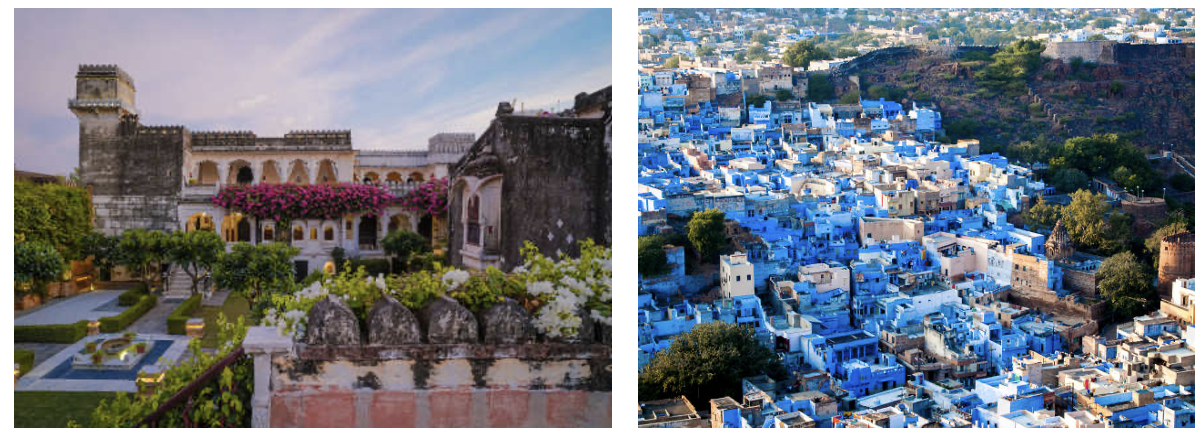
This morning we journey onward to the enchanting Blue City of Jodhpur, arriving by early afternoon as its indigo-washed houses begin to glow under the desert sun.
Enjoy a relaxed lunch at the charming Stepwell Café, perfectly positioned beside one of the city’s ancient stepwells. From your table, take in the rhythm of local life, the quiet geometry of the carved stone, the hum of conversation, and the timeless atmosphere that defines Rajasthan.
After lunch, we continue through the rural countryside toward the village of Narlai (approximately three hours), where a hidden oasis awaits.
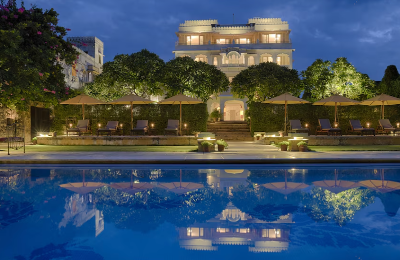
For the next two nights, you’ll reside at Rawla Narlai, a former hunting lodge of the Maharaja of Jodhpur, now transformed into an intimate heritage retreat. Here, history is not displayed behind glass it surrounds you. Grand archways, courtyards, and frescoed walls blend seamlessly with modern comforts and elegant rooms, offering both authenticity and indulgence.
Set between granite hills and ancient temples, Narlai feels worlds away from the bustle of city life. As dusk settles, the gentle echo of devotional chanting drifts through the village from nearby temples and mosques, creating an atmosphere that is both serene and deeply spiritual.
This evening, prepare for one of the most unforgettable dining experiences of the journey: a traditional Rajasthani dinner served beside an ancient stepwell, illuminated by hundreds of flickering candles. As the stone walls glow in the soft light and the night sky stretches overhead, you’ll dine on regional specialties in a setting that feels almost otherworldly timeless, intimate, and uniquely India.
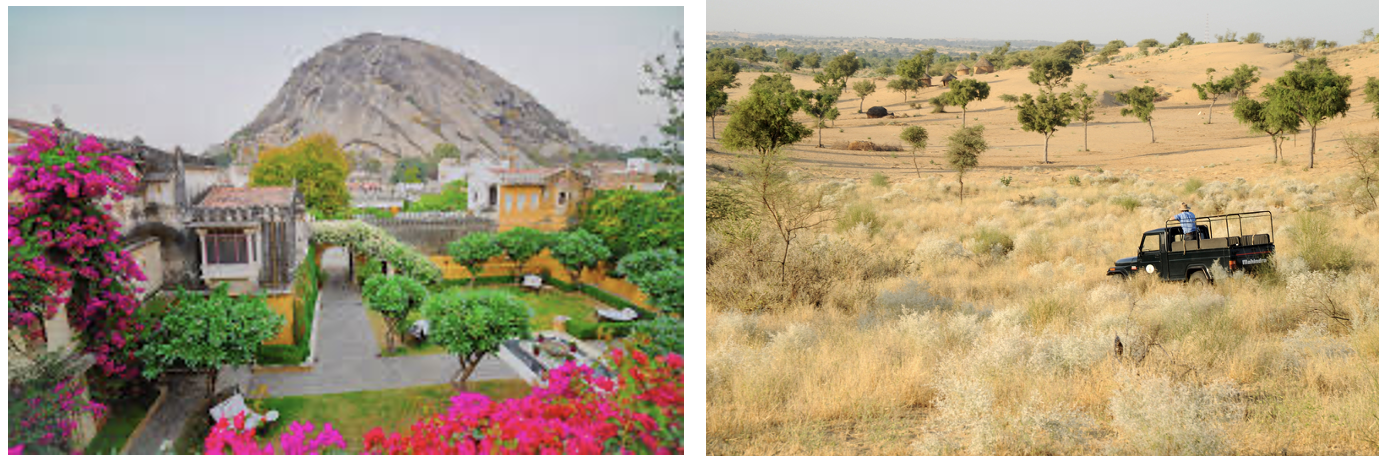
This morning, we will head out on a 2.5 hour countryside Jeep Safari.
A life as colorful as the rainbow and equally captivating in the surrounding village. We will also visit some interesting temples and have some agriculture experiences. A guided safari in an open Jeep.
The rest of the day is free is enjoy the facilities of the hotel and relax at the pool, and/or enjoy one of the wonderful SPA experiences.
Later in the morning, we will explore further, perhaps with a Narlai Village walk or a walk up to a viewpoint above Narlai for a memorable vista of the sunset to round out the day.
Rural Rajasthan & Desert Serenity
Wake to the peaceful rhythm of village life in Narlai, where the morning air is crisp and the granite hills glow softly in the early light. After breakfast, set out on a 2.5-hour countryside safari in an open Jeep, venturing beyond the gates of Rawla Narlai into the vibrant heart of rural Rajasthan.
Travel along dusty tracks through fields and small villages where women in brilliantly colored saris move like brushstrokes across the landscape. Visit local temples tucked quietly into the hills, meet villagers, and gain insight into traditional agricultural practices that have sustained families here for generations. The simplicity, warmth, and authenticity of these encounters offer a powerful contrast to modern life.
Returning to your heritage retreat, the remainder of the day is yours to unwind. Lounge by the tranquil pool beneath the desert sky, relax in shaded courtyards with a book, or indulge in one of the hotel’s restorative spa experiences the perfect balance to your morning adventure.
Later in the afternoon, continue your exploration at a gentler pace. Join an optional guided walk through Narlai village to observe daily rhythms up close, or hike to a panoramic viewpoint above the village. From here, watch the sun sink behind the hills, casting the landscape in hues of amber and rose a quiet, unforgettable moment that feels entirely your own.
As evening falls, return to the calm embrace of Rawla Narlai, carrying with you the colors, conversations, and stillness of the countryside.
This morning we depart for the lake city of Udaipur, traveling through scenic countryside for about 3 hours toward one of India’s most extraordinary architectural treasures.
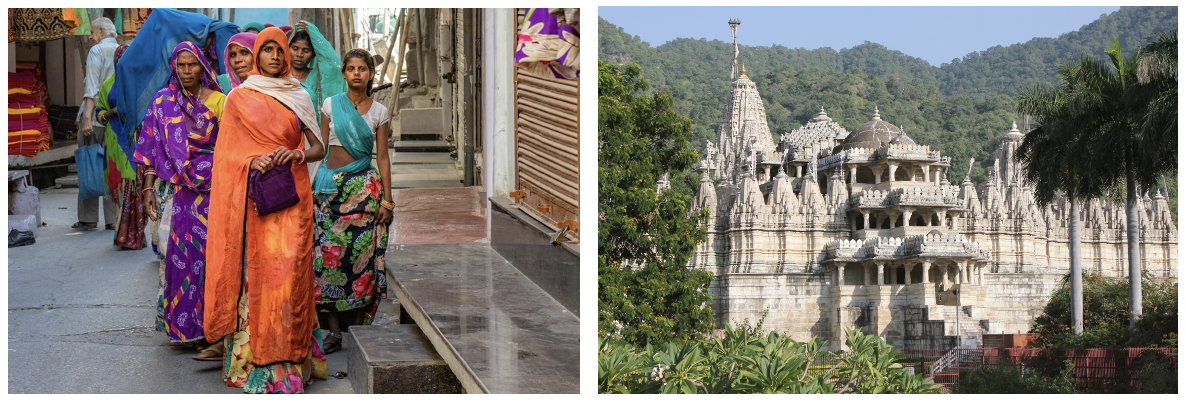
En route, we stop at Ranakpur Jain Temple, a masterpiece of marble craftsmanship nestled in a tranquil valley. Built in the 15th century, this spectacular Jain temple complex seems almost ethereal in its pale stone brilliance.
Constructed entirely of light-colored marble and covering an area of approximately 60 x 62 meters, the temple rises gracefully from the hillside with its soaring domes, ornate shikharas, delicate turrets, and sculpted cupolas. Inside, you’ll witness a breathtaking forest of 1,444 intricately carved marble pillars each uniquely detailed. As sunlight filters through the stone latticework, it casts shifting patterns across the cool marble floors, creating an atmosphere that feels both serene and otherworldly.
After time to explore this architectural wonder, enjoy a leisurely lunch in Ranakpur before continuing onward.
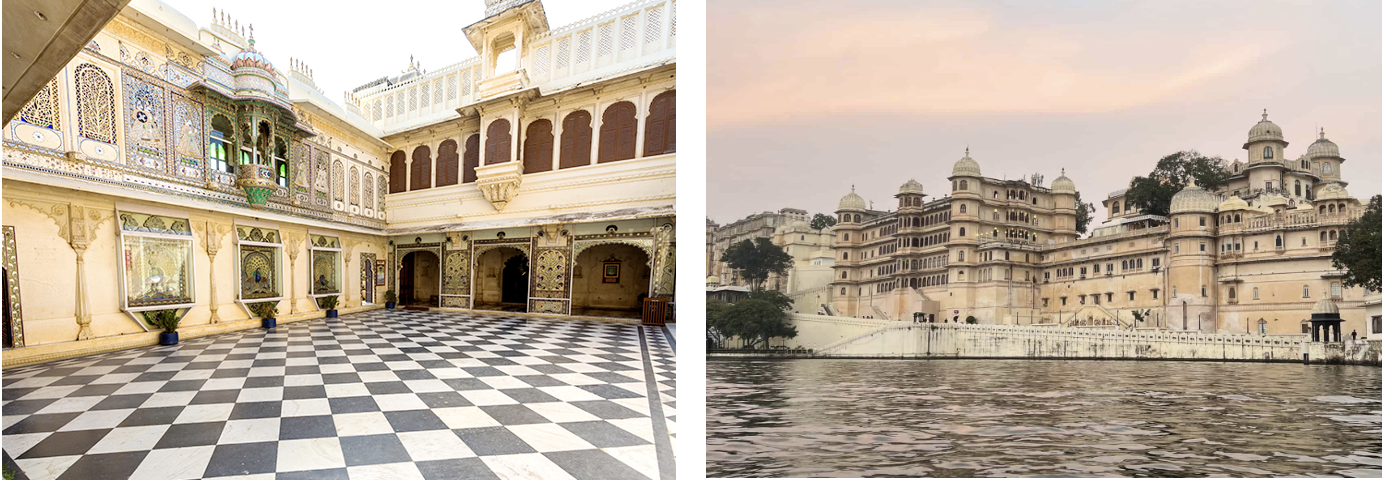
By late afternoon, widely regarded as one of India’s most beautiful cities. Set around a shimmering network of lakes and encircled by gentle hills, Udaipur exudes romance at every turn. Along the eastern banks of Lake Pichola rises the magnificent City Palace, Udaipur complete with stunning balconies, towers, and courtyards.
As evening approaches, watch the light soften over the water and marble facades a preview of the magic that awaits in the days ahead.
Overnight: Lake Pichola Hotel/Amet Haveli Meals: Breakfast, Lunch
After a relaxed breakfast, we begin our day immersed in the royal splendor of City Palace, Udaipur an extraordinary complex of interconnected palaces that rises majestically above the shimmering waters of Lake Pichola.
Wander through ornate courtyards, private royal apartments, and airy rooftop gardens with sweeping lake views. Inside, discover intricate mirror work, vivid murals, regal portraits, and a remarkable collection of miniature paintings that offer insight into Rajasthan’s artistic legacy. Each doorway and balcony reveals another postcard-perfect vista.
We continue to Saheliyon Ki Bari, the enchanting “Garden of the Maidens.” Built for royal ladies, its elegant fountains, marble pavilions, lotus pools, and shaded walkways offer a peaceful contrast to the grandeur of the palace.
From there, step into the vibrant energy surrounding Jagdish Temple, where colorful bazaars brim with textiles, handcrafted jewelry, spices, and local artistry. This is the perfect place to soak in everyday life, and perhaps find a meaningful keepsake.
Optional Experience (you can add it on at check out):
Participate in a traditional 1.5-hour miniature painting class with a local artist. Learn the delicate techniques passed down through generations and try your hand at this intricate art form a memorable cultural connection and a beautiful souvenir to take home.
As the day softens toward evening, we board a shared sunset boat cruise on tranquil Lake Pichola. Watch as the City Palace glows gold and the surrounding hills fade into lavender hues. The reflections shimmer on the water, creating one of India’s most romantic scenes.
We stop at Jag Mandir, an exquisite island palace adorned with lush gardens and elegant marble chambers. Its inlaid stonework is said to have inspired Taj Mahal, and as you wander its courtyards at twilight, it’s easy to see why.
Return to your hotel as Udaipur sparkles under the evening sky a day rich with beauty, artistry, and unforgettable views.
Overnight: Lake Pichola Hotel/Amet Haveli Meals: Breakfast & Dinner
Transferred to the airport for your flight to Jaipur
Later this evening, we will go across to a haveli (private mansion) in the old city for a cooking class followed by dinner. Here, the demonstrations are conducted by the lady of the family. The dishes they demonstrate have been in their cuisine for generations. They come with wonderful back stories.
This morning, you will be transferred to the airport for your short flight to Jaipur, Rajasthan’s vibrant and regal “Pink City.” Upon arrival, we will transfer to your hotel and check you in. Then we will have time to settle in before the evening’s special cultural experience.
Tonight, step beyond the typical tourist path and enter the heart of Jaipur’s old city for a truly intimate encounter. We visit a beautifully preserved haveli, a private family mansion tucked within the historic lanes where you’ll be welcomed into the home of a local family.
In the warm glow of the courtyard kitchen, the lady of the house leads a hands-on cooking demonstration featuring treasured family recipes passed down through generations. As spices are roasted and aromas fill the air, she shares the stories behind each dish tales of festivals, weddings, and daily life that give the cuisine its soul.
After, sit down together to enjoy the freshly prepared meal in an elegant, home-style setting. Laughter, conversation, and the rich flavors of Rajasthan create an evening that feels both authentic and deeply personal.
Return to your hotel with a deeper appreciation for Jaipur’s culture.
This morning, we visit Amber, the ancient capital that preceded Jaipur. Founded in the 11th century, Amber is a fortress town of visual majesty. We ride in jeeps up to its imposing hilltop location and explore the fort’s wondrous maze of passages, corridors, pavilions, ornamental gardens and ramparts. The Sheesh Mahal, or Hall of Mirrors, is a lavish chamber adorned with tiny mirrors that create a sparkling atmosphere reminiscent of a diamond cave.
Post lunch, you are taken for a half day tour of Jaipur including a visit to the City Palace, home of the royal family, and its excellent private museums that display royal memorabilia, particularly armaments, art, books, costumes and textiles. Stroll to the adjacent Jantar Mantar or Astronomical Observatory built in 1726 by the Maharaja of Jaipur. It is one of five such astronomical wonders built by Sawai Jai Singh that makes accurate predictions even to this day.
Afternoon free for shopping. We also want to visit the Jewelry factory and showroom.
HOLI - Today is Holi, a popular Hindu festival also known as the Festival of Spring and the Festival of Colours. Holi celebrations start on the night before Holi with a Holika Dahan where people gather, perform religious rituals in front of the bonfire, The next morning is celebrated as Rangwali Holi a free-for-all festival of colours, where people smear each other with colours and drench each other. People visit family, friends, everyone come together to throw coloured powders on each other, laugh and share Holi delicacies, food and drinks.
Be a part of Holi celebrations this morning.
Afternoon free to relax.
Late afternoon, we will visit a Farmhouse which is situated behind the hills of the famous Amer Fort and is the home of a local Rajput family. “Rhythm with the Elephant’s” is a concept for the conservation of the several hundred hectares of wilderness as well as housing members of our family the elephants & camels rescued from the rigours of the city life. We can walk in the wilderness with our resident rescued elephants accompanied by our in-house naturalists and feeding them. This will end at the forest clearing where you have dinner.
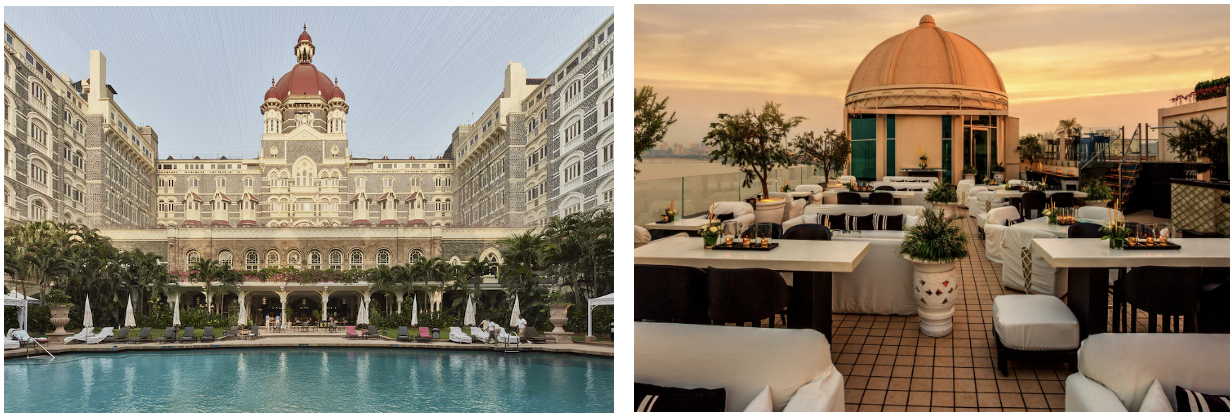
Trip ends. Either fly home from Jaipur or board a flight to Mumbai for a 4 day luxury post tour.
YOU'RE NOT DOING
CANCELED
Shared Room
US$8,990
per person
1
India Price per person (Shared Room): $8990.00
India Single Room Supplement: adds $1,990.00
COMMITMENT
Planning a trip can be daunting. We want you to relax and know that we are committed to ensuring that you will enjoy your journey. We work hard to create trips that have the feel of casual travel with friends rather than formal tours and plan itineraries that match your interests and fit your budget.
Responsible Travel
Global travel can only succeed if communities benefit from tourism. We hire local operators who value sustainable travel and support their communities.
Inspiring Through Travel
We specialize in journeys of discovery and inspiration. Our adventures are all about local culture—the people, history, art, architecture, and food. Our trips showcase a rich source of inspirational people, landscapes, and cityscapes. Traveling is the time for discovery, exploration, and adventure.
Trusted Support
In case of an emergency, all our guides are licensed and trained to handle situations that may arise. We are always with you to assist in any way we can to make your trip safe and memorable.
Disclaimer
Payments: As soon as we receive your down payment, we will confirm your reservations and at this point, all change and cancellation policies will be in effect. KikiNetwork Travel will send you a finalized itinerary which will contain all necessary information including confirmation numbers, addresses, and phone numbers. We must receive 40% of the trip cost when you register for the trip, 20% of downpayment is non-refundable, but covered by your insurance should you need to cancel for a valid reason or the trip is cancelled due to unforeseen circumstances. The full cost of the trip must be paid 60 days before the start date of the trip.
Food: All meals as listed. No alcohol is included unless stated in the itinerary.
Forms of Payment: We accept ACH transfers (1% fee and .30) and credit cards (American Express, Visa, and MasterCard). There is a +3.1% surcharge processing fee for MC and Visa credit cards, and American Express incurs a 3.9% fee. If you pay by check there is no additional fee. You will need to mail the check to Kiki Keating, PO Box 223, Georges Mills, NH 03751.
Airfare/Visas/Special Permits: You are responsible for your flight to the place of the trip departure. I am happy to advise and recommend the best flights for you. Please email me at [email protected] for more details.
I will inform you of any visa needs, and you must obtain any necessary visas and travel permits for all countries that you will be traveling to or transiting through. Visa and entry requirements may vary depending on your nationality, the length of your stay, and the purpose of your visit. Please make certain that your passport is valid for at least six months after the latest expected end date of your planned trip, as some countries will not allow entry if your passport expires sooner.
Insurance is required for any KikiNetwork Travel trip. KikiNetwork Travel requires an insurance plan with 100% of trip cost insured, $150,000 of emergency assistance and transportation, and a minimum of $50,000 medical evacuation coverage. I am happy to work with you to recommend one of my recommended insurance coverage companies. Please call me directly at 603-858-2733 to discuss and ask questions about travel insurance coverage.
Health and Safety Matters: Please visit your local hospital Travel Clinic. Your doctor will let you know what, if any, vaccinations or other health or safety precautions are necessary or recommended for your destinations. We are not physicians, and nothing we say should be interpreted as professional medical advice. Government health advisories can be found on the internet at: http://www.cdc.gov and http://www.who.int
Cancellations: In addition to any cancellation penalties related to trip components we are not responsible for (e.g. permits, airfare, travel insurance, etc.), the following fees will apply:
At the time of initial deposit 50% of the deposit amount is nonrefundable. This amount would be covered by insurance for a valid reason if you cancel or if the trip is cancelled due to unforeseen circumstance
Days to Departure | Cancellation Fee
60 Days or less - No Refund. Travel Insurance will reimburse you for cancellations reasons covered.
61 to 90 Days - Refund 30% of payments made. Travel Insurance will reimburse you for cancellation reasons covered
Cancellation penalties apply as soon as we have received payment. Trip cancellation and interruption insurance is required.
Responsibility/Release and Assumption of Risk: By paying and signing up for a KikiNetwork Travel trip you are agreeing to the following statement; I understand and am aware that during the travel itinerary in which I will participate under the arrangements of KikiNetwork Travel and its agents or subcontractors, certain risks and dangers may arise, including but not limited to the hazards of traveling in unsafe areas or under unsafe conditions, the dangers of civil disturbance and war, unplanned forces of nature, or disease. In consideration of, and as part of the payment for, the right to participate in such travel itineraries, I have and do hereby expressly assume all of the above risks. The terms of this agreement shall serve as a release and express assumption of risk for myself, my heirs, assignees, administrators, executors, and all members of my family, including any minors accompanying me. I have read and fully understand the provisions and the legal consequences of this Release and Assumption of Risk and I hereby agree to all its conditions, especially noting and agreeing to the portion of this provision that releases the Company and its agents, employees, officers, associates, and subcontractors, to the extent permitted by law, from liability for the negligent or reckless acts or omissions of the Company’s affiliated companies or subcontractors.
All the Traveler data collected on this platform belongs to you or the Planners who create the trips. We do not sell your customer data or use it for third party advertising.
We use cookies to authenticate you and for analytics to improve our services. Read our Privacy Policy for details.
Have any privacy questions? Especially about how we help you comply with GPDR? Ask us about privacy.



 Rajasthan, India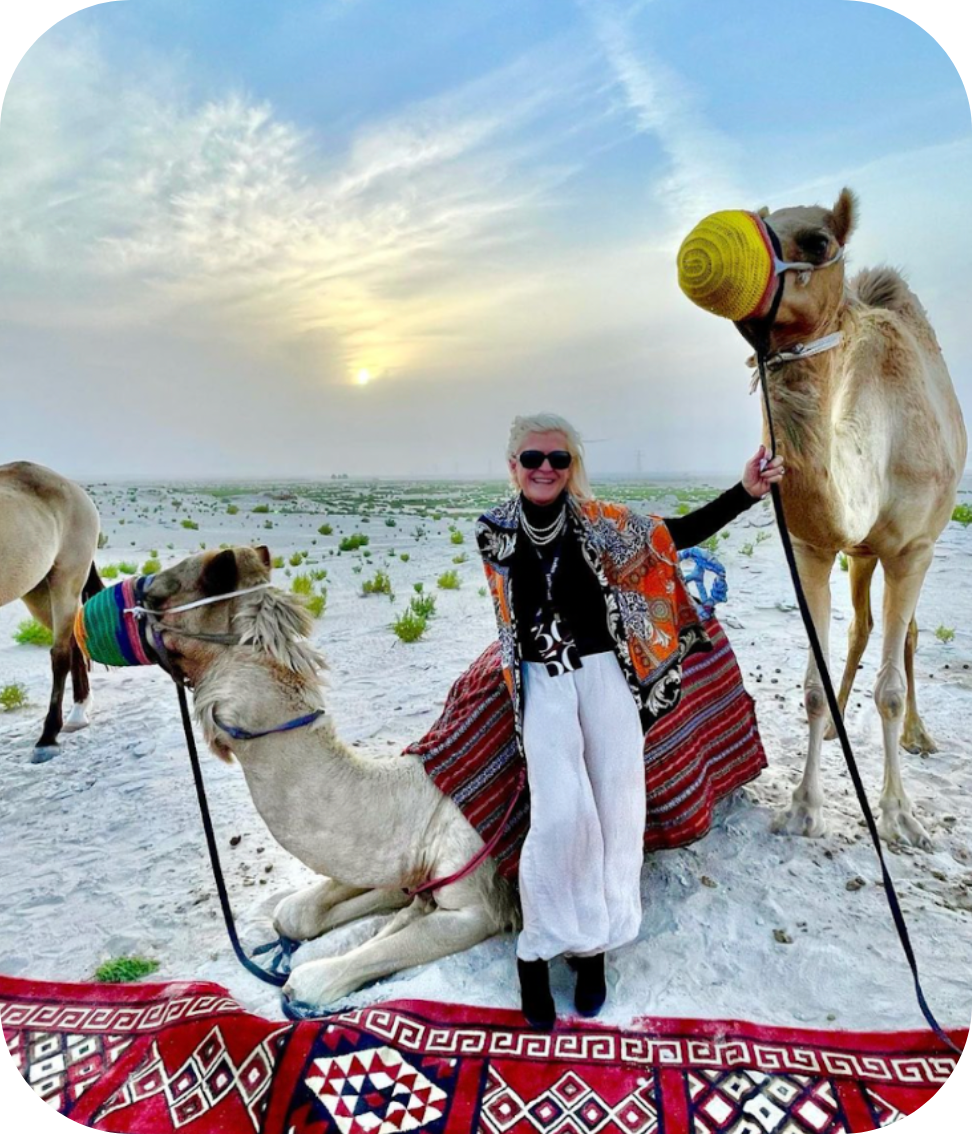



 This morning, we visit Jaisalmer Fort, one of the largest in the world, and see some of Jaisalmer’s unique fairytale havelis in the town below.

 This morning we journey onward to the enchanting Blue City of Jodhpur, arriving by early afternoon as its indigo-washed houses begin to glow under the desert sun.







 1
1